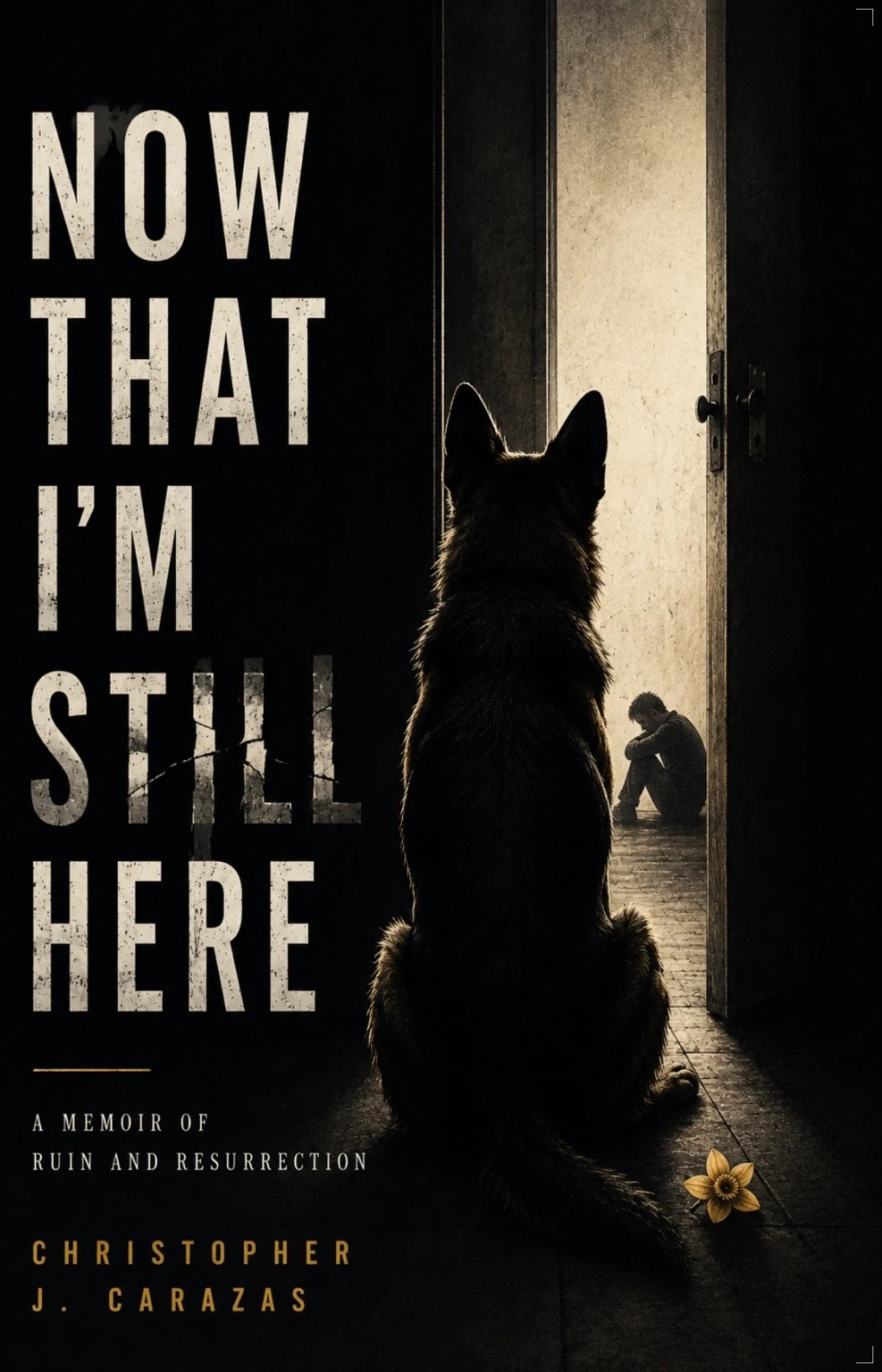
The life looked successful. The person inside it was disappearing.
I learned early that survival meant reading the room before I could read myself.
The mask was not a lie. It was an adaptation that outlived the room that required it.
The memoir
A late-diagnosed autism memoir about adaptation, collapse, and choosing to stay.


For most of my life, I believed survival meant becoming easier for other people to understand.
I learned to mask my autism before I knew it had a name. I became useful, agreeable, competent, and quiet. I crossed countries, built a career, entered a marriage, and kept functioning long after functioning had stopped being the same thing as living.
Then everything gave way. This memoir begins in the silence after collapse and moves backward through the rooms that built it: childhood between cultures, faith, family, shame, emotional abuse, late diagnosis, psychiatric hospitalization, and the private calculations of a man deciding whether to remain.
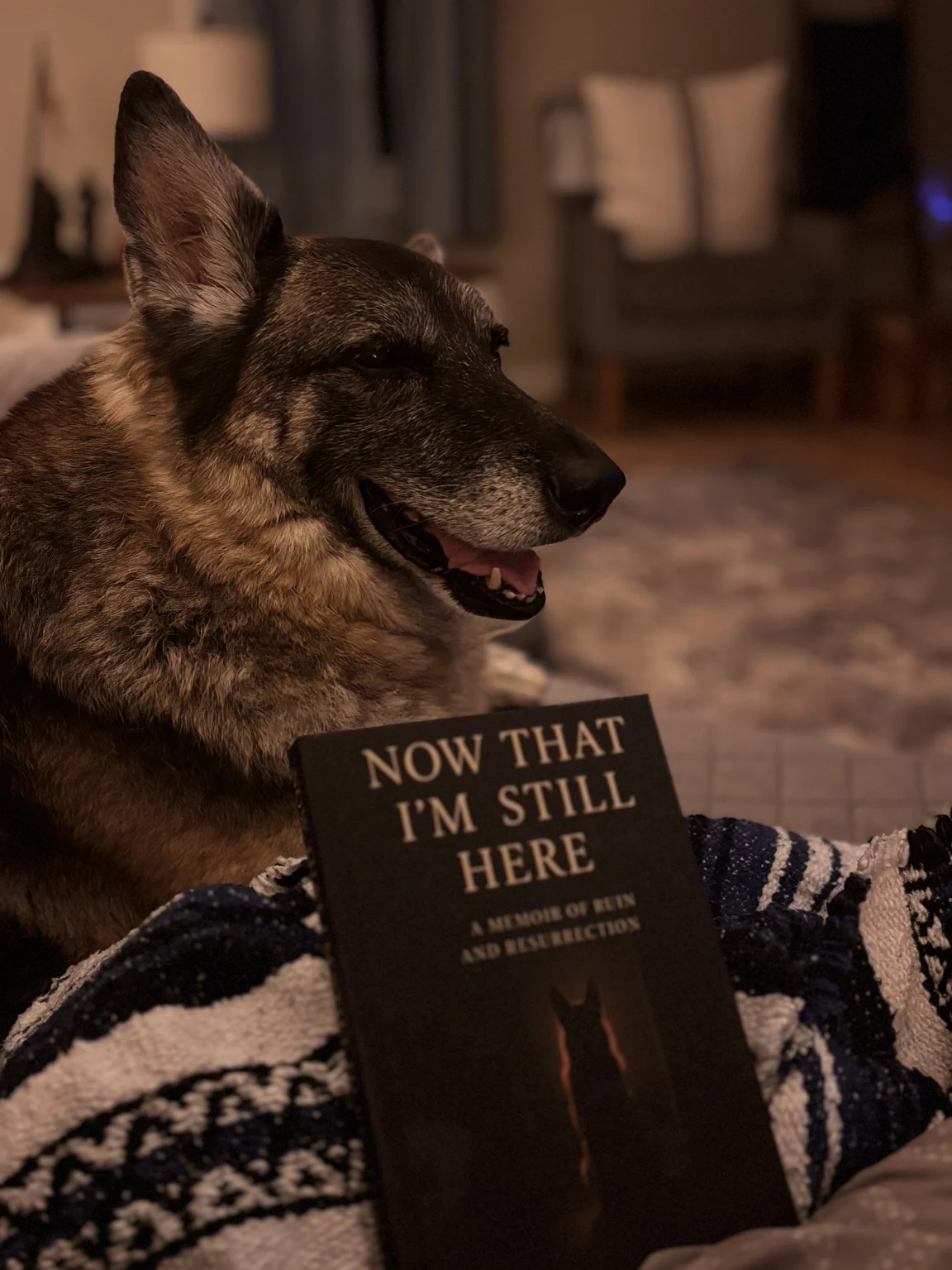
But it is also about those who interrupted that disappearance. Shadow kept asking for the next ordinary thing. Katie loved through sarcasm, music, handwritten notes, and an inconvenient refusal to be sentimental. The people who waited. The people who came back. The people who stayed.
Now That I’m Still Here is not a story about being fixed. It is about learning that a cracked life can still hold breath.
I learned early that survival meant reading the room before I could read myself.
The mask was not a lie. It was an adaptation that outlived the room that required it.
Across countries, schools, languages, and expectations.
Competence became a costume everyone mistook for ease.
Late diagnosis rearranged the evidence and opened the door.
For people who adapted so well that everyone mistook the adaptation for a personality.
You read every room before you learned to read yourself.
You became useful before you became known.
People called it resilience. They missed the invoice.
The mask worked. That was the problem.
It does not just explain masking. It shows the cost.Rachel K. · Educator


The open door is not a metaphor for escape. It is a record of return.